
Drill and Blast Engineer Resume Template
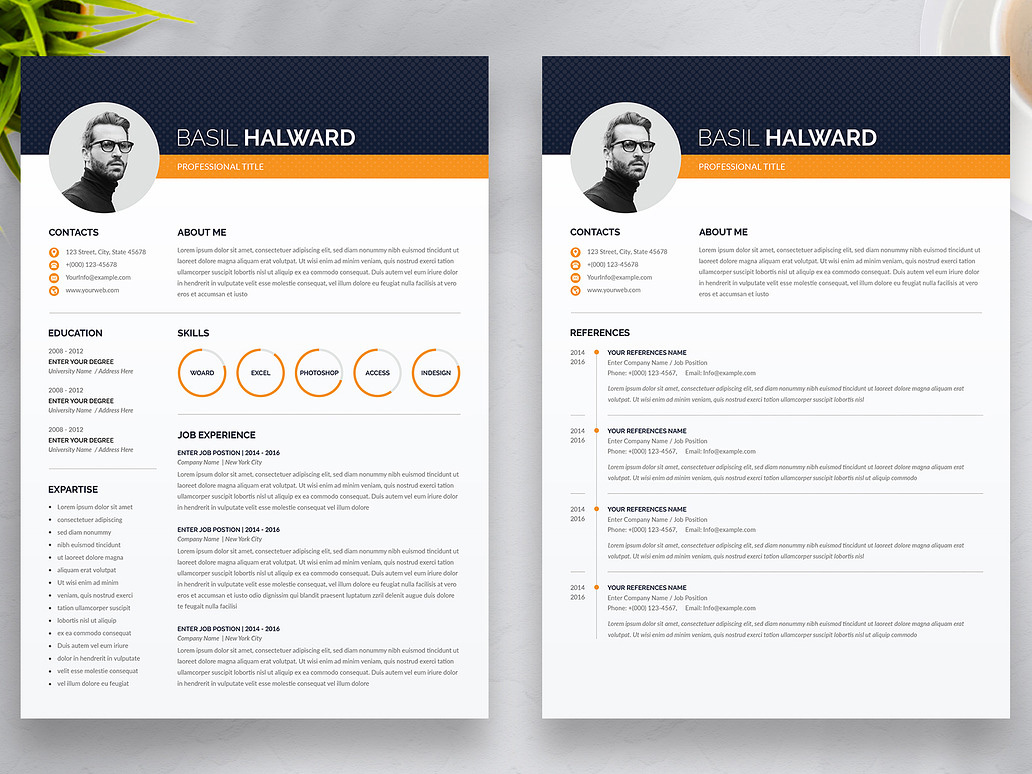
Drilling and blasting are critical components of modern mining, influencing everything from rock fragmentation and excavation efficiency to equipment productivity and overall operating costs. Behind every successful blast is a combination of engineering calculations, geological understanding, operational coordination, and careful risk management.
Drill and blast engineers are responsible for translating production requirements and geological conditions into practical blasting plans. Their work involves evaluating rock characteristics, developing drill patterns, selecting appropriate blasting parameters, coordinating field execution, and reviewing results to improve subsequent operations.
The Drill and Blast Engineer Resume Template is designed for professionals who want to communicate this specialized expertise through a structured and professional CV. With a clean layout and editable file formats, it provides space to present technical competencies, project experience, operational achievements, and safety qualifications.
Whether your career is focused on open-pit mining, underground production, quarry operations, or civil construction, this template offers a flexible starting point for preparing your next engineering application.
Put Your Blasting Engineering Experience into Focus
Recruiters hiring drill and blast engineers need to understand how candidates contribute to production performance and operational control. Experience with blast design is important, but employers may also consider the ability to evaluate results, coordinate contractors, manage technical risks, and work effectively with mining teams.
Use the resume to showcase relevant responsibilities and achievements, including:
- Designing drilling patterns and blast layouts
- Determining burden, spacing, and drilling parameters
- Developing production and development blast plans
- Evaluating explosive selection and blast configurations
- Improving fragmentation for loading and hauling operations
- Coordinating drilling equipment and contractor activities
- Monitoring blast performance and reviewing results
- Applying controlled blasting techniques near final pit walls
- Managing vibration and airblast monitoring requirements
- Supporting flyrock prevention and blast exclusion procedures
- Coordinating blasting schedules with mine production teams
- Evaluating drilling and blasting costs
These competencies help demonstrate your contribution across the complete blasting process, from engineering preparation to post-blast assessment.
Show the Operational Results Behind Your Work
A technically strong resume should explain what changed because of your engineering contribution. Rather than listing routine responsibilities alone, use your employment history to describe improvements in fragmentation, drilling performance, blast consistency, safety procedures, or production coordination.
Relevant accomplishments may include:
- Revising drill patterns to improve fragmentation consistency
- Reducing explosive consumption through engineering optimization
- Improving drilling productivity through better operational scheduling
- Supporting wall control through controlled blasting practices
- Reducing unwanted ground vibration through blast design adjustments
- Improving coordination between drilling contractors and mine production teams
- Supporting mine development through coordinated blasting sequences
- Improving post-blast evaluation and performance reporting
Where available, include measurable results. Examples include drilling meters completed, powder factor changes, fragmentation measurements, equipment productivity improvements, or documented cost reductions.
Always explain the context behind the figures. A reduction in explosive consumption, for example, is most meaningful when it can be connected to an appropriate blast outcome and operational objective.
Career Opportunities in Drilling and Blasting
Drill and blast engineers work in several sectors where controlled rock excavation is essential. Their responsibilities can differ depending on the mining method, geological conditions, project scale, and production requirements.
This template can be adapted for positions such as:
- Drill and Blast Engineer
- Blasting Engineer
- Senior Drill and Blast Engineer
- Underground Blasting Engineer
- Open Pit Blasting Engineer
- Mining Production Engineer
- Drill and Blast Supervisor
- Drilling Operations Engineer
- Explosives Engineer
- Quarry Engineer
- Surface Mining Engineer
- Underground Mining Engineer
- Mine Planning Engineer
- Technical Services Engineer
- Mine Operations Superintendent
It is also appropriate for applications with mining operators, contract mining companies, quarry businesses, explosives service providers, tunneling contractors, and civil engineering consultancies.
For specialist roles, adjust the emphasis of your resume. An underground blasting position may require more attention to development rounds, excavation profiles, and underground operating conditions. A surface mining role may place greater importance on production bench blasting, wall control, and fragmentation performance.
Technical Skills to Include in Your Resume
A dedicated skills section helps hiring managers quickly assess your engineering background. Organizing your abilities by discipline can make a technical resume easier to review.
Drill and blast engineering
- Blast pattern design
- Burden and spacing evaluation
- Drill hole planning
- Production blast design
- Development blasting
- Controlled blasting techniques
Explosives and blast performance
- Explosive selection and application
- Powder factor evaluation
- Fragmentation assessment
- Blast performance analysis
- Vibration and airblast monitoring
Mining operations
- Drilling contractor coordination
- Production scheduling
- Equipment performance monitoring
- Mine development support
- Loading and hauling coordination
Safety and technical management
- Blast risk assessment
- Blast exclusion zone planning
- Regulatory compliance
- Contractor safety coordination
- Technical reporting and documentation
Include competencies that reflect your actual responsibilities and level of experience. If you have worked with particular drilling systems, monitoring equipment, or blasting methods, identify them where they strengthen your application.
Present Your Mining and Blasting Projects
Project experience is especially useful for drill and blast professionals because it demonstrates how engineering knowledge is applied under real operational conditions.
Use your work history or project section to describe contributions such as:
- Preparing blast designs for large-scale open-pit production benches
- Supporting underground development through planned blasting activities
- Reviewing drilling accuracy and identifying opportunities for improvement
- Evaluating fragmentation results against loading and processing requirements
- Coordinating blast schedules with production and maintenance departments
- Supporting controlled blasting near sensitive slopes or infrastructure
- Reviewing vibration monitoring data and blast performance reports
- Participating in technical assessments of drilling and blasting costs
- Supporting the introduction of revised blasting procedures
For each significant project, identify your role, the operating environment, the technical challenge, and the outcome. This approach helps employers distinguish your direct contribution from the broader responsibilities of the project team.
Editable Resume Package
The template is supplied in multiple formats so you can work with the application that best suits your editing preferences.
Files included:
- Microsoft Word (.DOCX): For editing personal information, professional experience, education, and skills.
- Microsoft PowerPoint (.PPT): Provides an alternative environment for modifying text and layout elements.
- Adobe Photoshop (.PSD): Offers a layered design for more detailed visual customization.
- Adobe Illustrator (.EPS): Supports vector-based editing of graphics and design components.
- Detailed Instruction Guide: Provides guidance for updating the template.
- Free Font Download Links: Helps you access the fonts used in the design.
The different file formats make it easier to customize your resume without having to create a document layout from the beginning.
Professional Design and Document Features
An engineering resume should be visually organized while leaving enough room for relevant technical information. The template combines a contemporary presentation with practical editing features for professional applications.
Its design specifications include:
- A4 international paper size
- CMYK print-ready format
- 300 DPI resolution
- Fully editable text and objects
- Well-organized layers
- ATS-conscious layout
- Professional typography
- Free font support
- Modern engineering design
- Compatibility with multiple editing applications
These features support both digital submissions and printed documents. For online recruitment systems, consider using the Word version when a conventional CV is requested. Keep section headings recognizable, maintain a logical reading order, and ensure text remains selectable after editing. ATS results can vary depending on the software used by each employer and the final document structure.
Blasting Software and Technical Proficiency
Software knowledge can strengthen an application for technical services and drill and blast engineering positions. Employers may seek candidates familiar with tools for blast design, drilling data analysis, mine planning, and production reporting.
Depending on your experience, relevant applications may include:
- JKSimBlast: Used for blast design, analysis, and evaluation of blasting performance.
- BlastPlan: Associated with the preparation and management of blasting plans.
- Deswik: Supports mine design, scheduling, and technical planning workflows.
- Surpac: Used in geological modeling and mine planning.
- Vulcan: Applied in geological modeling, mine design, and mining engineering.
- Datamine: Supports geological and mining workflows, including planning and technical analysis.
- Microsoft Excel: Useful for engineering calculations, production data analysis, and reporting.
- AutoCAD: Used for technical drawings, layouts, and engineering documentation.
List only applications you have actually used. You can also explain your experience level or describe a project in which a particular tool supported your engineering work.
Customize Your CV for Each Engineering Opportunity
The requirements for a production blasting engineer may differ from those for a technical services specialist or underground development engineer. Tailoring your resume helps make your most relevant qualifications visible.
Review these sections before submitting an application:
- Professional Summary: Describe your engineering background, mining experience, and primary blasting specialization.
- Employment History: Explain the type of mining operations you have supported and your responsibilities in drilling and blasting.
- Technical Skills: Prioritize blast design, drilling systems, performance evaluation, and operational coordination.
- Software Proficiency: Include relevant design, modeling, and reporting applications.
- Project Experience: Highlight significant production, development, quarry, or infrastructure blasting assignments.
- Certifications and Training: Include relevant blasting qualifications, safety training, and professional development.
- Education: Present your engineering degree and other relevant academic credentials.
- Achievements: Demonstrate contributions to fragmentation, productivity, cost management, and operational safety.
Make sure your qualifications and responsibilities are accurately represented. If a position requires specific blasting licenses or regulatory credentials, include the relevant qualifications only when you hold them.
Compatible Editing Applications
The resume template is compatible with:
- Microsoft Word
- Microsoft PowerPoint
- Adobe Photoshop
- Adobe Illustrator
Choose the editing format that matches your workflow. Word is generally convenient for conventional job applications, while Photoshop and Illustrator offer more control over graphic elements. PowerPoint provides another option for modifying the supplied layout.
The included editing guide helps users navigate the customization process. Before submitting the finished resume, review the typography, spacing, contact details, and exported file to ensure everything appears as intended.
Turn Technical Experience into a Strong Career Presentation
Drill and blast engineering requires accuracy, operational awareness, and the ability to balance production objectives with safety and environmental considerations. Employers need professionals who can design effective blasting programs, interpret performance results, and coordinate activities across complex mining environments.
The Drill and Blast Engineer Resume Template provides a structured way to communicate those capabilities. Its editable formats and professional layout help organize your technical skills, project history, qualifications, and measurable contributions into a focused career document.
Whether you are pursuing a role in surface mining, underground production, quarrying, or civil excavation, use your resume to demonstrate not only what you have worked on, but also how your engineering decisions have supported better operational outcomes.
Related Free Resume Template


Related Products


Same Contributor


Featured Products


