
Claims Analyst Resume Template
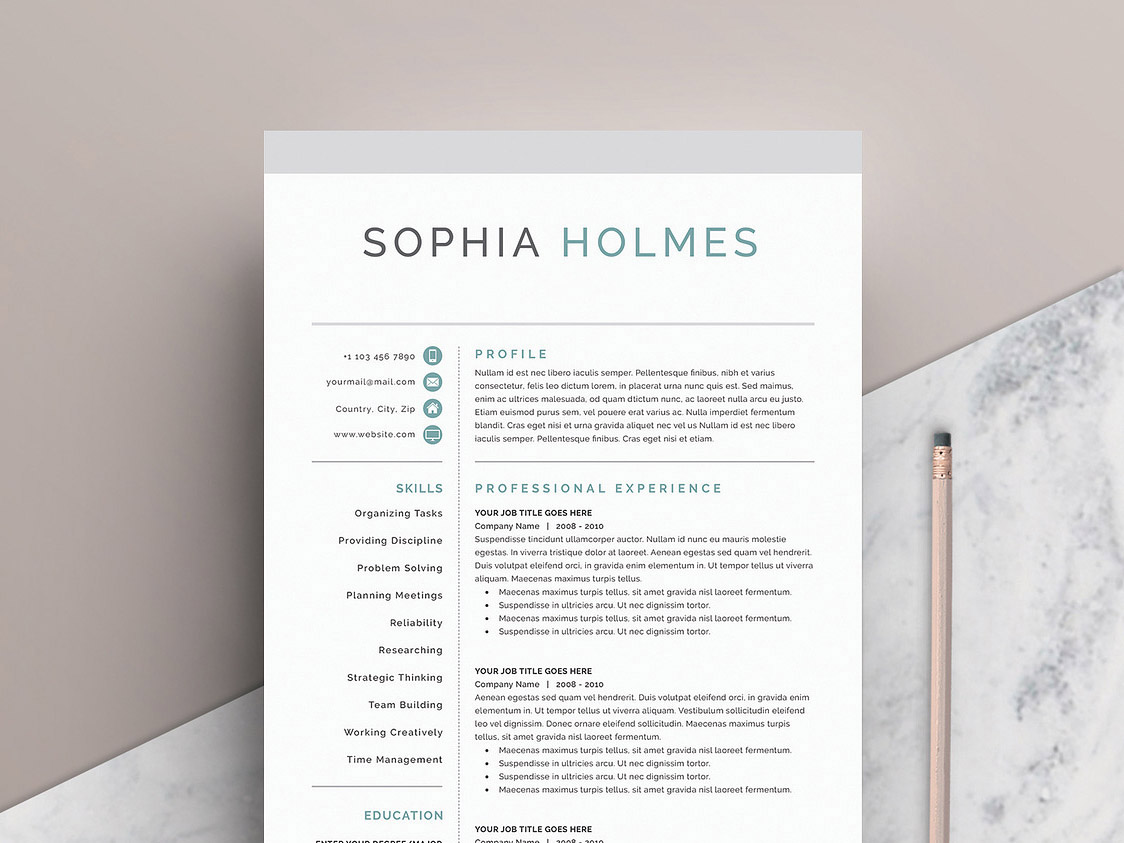
Accuracy, analytical thinking, and sound judgment are essential for professionals working in insurance claims and financial services. From reviewing policy coverage and verifying documentation to investigating discrepancies and evaluating potential losses, Claims Analysts help organizations make informed decisions while maintaining efficient claims operations.
The Claims Analyst Resume Template provides a structured way to present your professional experience, technical knowledge, and analytical capabilities. Created in Microsoft Word format, this resume package includes a two-page resume and a matching cover letter, helping you prepare consistent application documents for insurance companies, healthcare organizations, third-party administrators, and other financial services employers.
A Professional Resume for Claims and Insurance Careers
Claims Analysts review information, assess claim validity, identify inconsistencies, and help ensure that claims are handled according to applicable policies and procedures. Their responsibilities may involve communicating with policyholders, coordinating with adjusters, examining supporting documents, and maintaining accurate case records.
A professional resume should demonstrate how you apply these skills in real situations. This template offers a foundation for highlighting experience in areas such as:
- Claims investigation and processing
- Insurance policy interpretation
- Risk assessment and loss evaluation
- Fraud indicators and discrepancy identification
- Claims documentation and record management
- Regulatory and internal policy compliance
- Customer and stakeholder communication
- Claims review and resolution
- Data analysis and reporting
- Quality assurance and process improvement
Where possible, support these capabilities with examples of your accomplishments. You might describe how you improved documentation accuracy, helped resolve complex claims, reduced processing delays, or identified inconsistencies during a review. Include numerical results only when you can substantiate them.
What’s Included in the Resume Package?
The template comes with several resources to help you prepare a coordinated set of job application documents.
- Two-page resume template (.DOCX): Present your employment history, qualifications, skills, and relevant achievements.
- Matching cover letter (.DOCX): Introduce your background and explain your interest in a specific claims position.
- A4 and US Letter sizes: Choose the page dimensions appropriate for your application.
- 22 professional icons: Add visual details where suitable for the design.
- Font guide: Review the information needed to work with the template’s typography.
- FAQ and help guide: Consult the included guidance when customizing the files.
- Customer support: Access the support provided with the template package.
The combination of a resume and cover letter helps maintain a consistent appearance throughout your application. You can adjust the content of both documents for individual employers without rebuilding the entire layout.
Easy Customization in Microsoft Word
Because the template uses the DOCX format, you can edit the content in compatible word-processing software without needing dedicated graphic design applications.
Customization options include:
- Replacing placeholder text with your personal information
- Updating employment history and responsibilities
- Adding professional certifications and relevant training
- Modifying colors to suit your preferences
- Rearranging sections to prioritize relevant qualifications
- Adjusting the content for different claims-related positions
- Editing the matching cover letter for each application
When editing, keep the layout consistent and avoid overcrowding the pages. Prioritize the information most relevant to the vacancy, and remove sections that do not contribute to your application.
Resume Design and Applicant Tracking Systems
Many employers use Applicant Tracking Systems (ATS) to organize and review applications. A straightforward resume structure with recognizable headings can help make your qualifications easier to identify, although no visual template can guarantee successful ATS parsing.
To improve readability and compatibility, consider these practices:
Use conventional section headings. Labels such as Professional Experience, Education, Skills, and Certifications are familiar to recruiters and many recruitment systems.
Keep essential information in the document text. Avoid placing important qualifications exclusively inside icons, graphics, or decorative elements.
Use relevant keywords naturally. Match your resume language to the job description when it accurately reflects your experience. Examples may include claims adjudication, policy analysis, loss assessment, compliance, and fraud detection.
Check the reading order. After editing, confirm that text appears in a logical sequence when copied into a plain-text editor.
Follow the employer’s file requirements. If the application requests a DOCX file, submit that format. If PDF is accepted, export the document and check the final layout before uploading it.
A clean visual design is useful, but the clarity and relevance of your experience remain central to a strong application.
Who Should Use This Claims Analyst Resume Template?
The template can be adapted for a range of roles across insurance, healthcare administration, risk management, and claims operations.
Insurance Claims and Investigation
- Insurance Advisor
- Claims Examiner
- Claims Adjuster
- Insurance Specialist
- Claims Resolution Specialist
Healthcare and Medical Claims
- Medical Claims Analyst
- Healthcare Claims Processor
- Medical Billing and Claims Specialist
- Health Insurance Claims Examiner
- Third-Party Claims Administrator
Property, Casualty, and Liability
- Property Claims Specialist
- Auto Insurance Claims Analyst
- Liability Claims Examiner
- Workers’ Compensation Claims Specialist
- Property and Casualty Claims Adjuster
Risk, Compliance, and Operations
- Insurance Risk Analyst
- Claims Quality Assurance Analyst
- Insurance Compliance Specialist
- Fraud Detection Analyst
- Claims Operations Coordinator
These roles have different responsibilities and qualification requirements. Tailor the resume to the specific position rather than treating all claims-related jobs as interchangeable. For example, an investigator may emphasize evidence review and discrepancy identification, while a claims operations candidate may focus on workflow efficiency, documentation quality, and service standards.
How to Write an Effective Claims Analyst Resume
A well-designed template is only the starting point. The content should explain how your experience aligns with the employer’s needs.
1. Create a Relevant Professional Summary
Write a brief introduction that identifies your claims experience, industry knowledge, and strongest capabilities. If you specialize in healthcare, property insurance, or workers’ compensation, make that focus clear.
For entry-level applicants, relevant internships, administrative experience, analytical coursework, and transferable customer service skills can help demonstrate readiness for the position.
2. Describe Your Work Experience With Results
Use concise bullet points to explain your responsibilities and achievements. Rather than simply stating that you processed claims, describe the types of claims you handled, the systems or procedures you used, and the contribution you made to accuracy or efficiency.
3. Highlight Analytical and Technical Skills
Include skills relevant to the role, such as document verification, policy interpretation, spreadsheet analysis, claims management systems, report preparation, and case documentation. Mention specific software only if you have experience using it.
4. Include Relevant Certifications and Training
Add professional credentials, insurance-related training, compliance courses, and other qualifications that support the position. Verify that certification names and issuing organizations are accurate.
5. Prepare a Matching Cover Letter
Use the included cover letter to explain why you are interested in the employer and how your background fits the vacancy. Refer to one or two relevant achievements instead of repeating the entire resume.
Build a Consistent and Professional Job Application
A Claims Analyst resume should communicate precision, reliability, and the ability to evaluate information carefully. It should also show how your work supports accurate claim decisions, effective communication, and compliance with organizational procedures.
This editable Word resume package provides a practical starting point, with a two-page CV, matching cover letter, multiple paper sizes, professional icons, and supporting documentation. Customize the content for your target role, review the final formatting, and ensure every claim about your skills and experience is accurate.
With a focused resume and a tailored cover letter, you can present your qualifications clearly when applying for opportunities in insurance claims, healthcare administration, risk management, and related financial services careers.


Related Products


Same Contributor


Featured Products


